Did Deadliest Catch’s ‘Summer Bay’ Sink?
Did Deadliest Catch’s ‘Summer Bay’ Sink?
Deadliest Catch: The Brutal Reality Behind the Bering Sea’s Most Dangerous Job
For nearly two decades, Deadliest Catch has captivated audiences with its raw portrayal of one of the world’s most treacherous jobs—Alaskan crab fishing in the Bering Sea. With 17 seasons under its belt and numerous Emmy Awards, the Discovery Channel’s groundbreaking series has consistently reminded viewers why the term “deadliest” is no exaggeration.
A Genre-Defining Reality Show
Premiering on April 12, 2005, Deadliest Catch marked the beginning of a new era in reality television—one that centered on real danger, rather than fabricated drama. The series debuted with six fishing vessels—Fierce Allegiance, Northwestern, Saga, Western Viking, Lucky Lady, and Sea Star—and brought viewers to Dutch Harbor, Alaska, where more than 250 boats and 1,500 fishermen launch each year to hunt for the prized Alaskan King Crab and Opilio snow crab.
Before each journey, a traditional blessing is given to the fleet. Then, it’s weeks of grueling labor in one of the coldest, most unpredictable oceans on the planet.
The Harsh Conditions of the Bering Sea
Fishing boats in Deadliest Catch range from 50 to 300 feet, equipped with hydraulic systems to handle crab pots weighing up to 800 pounds each. Crews brave freezing temperatures, gale-force winds, and 40-foot waves, often spending weeks at sea with little rest and high physical strain. Even the ice buildup on the vessel can be deadly, adding dangerous weight that compromises stability.
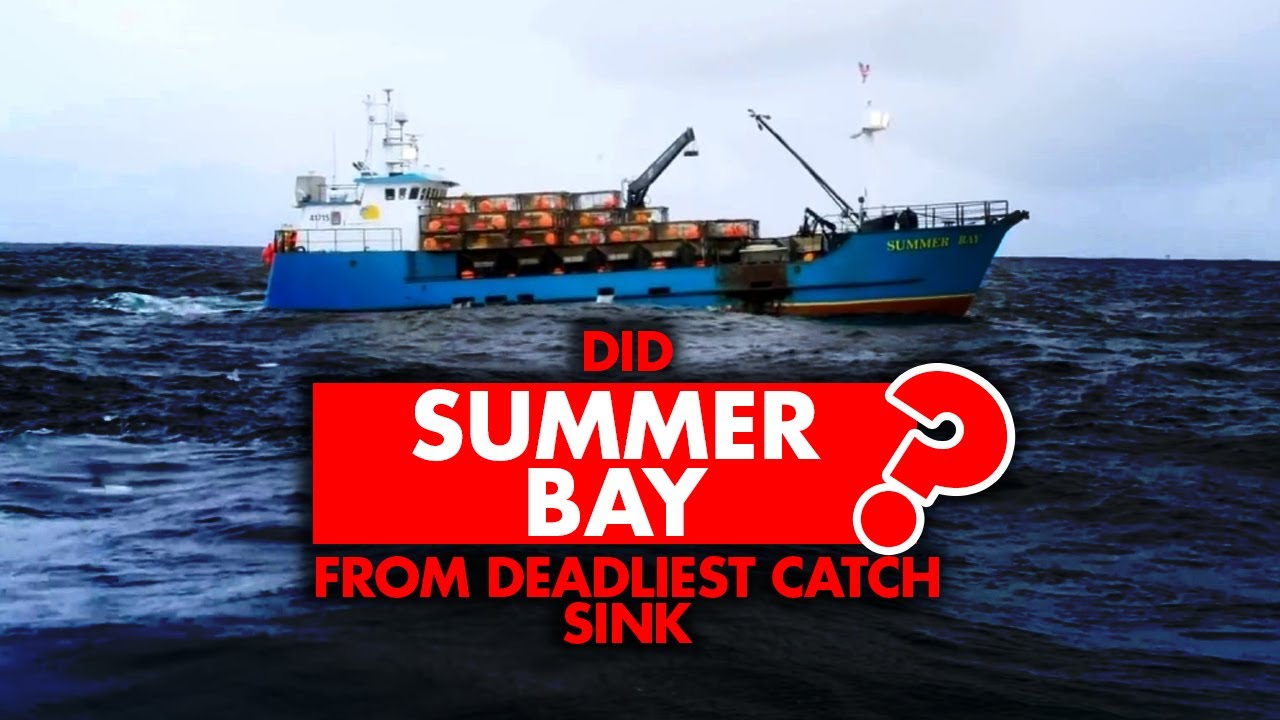
During the winter crab season, danger increases tenfold. As seen in Season 17, the FV Summer Bay, captained by Wild Bill Wichrowski, faced some of the worst weather conditions yet. With massive waves slamming the vessel and ice forming rapidly, a near-capsizing incident reminded everyone that survival is never guaranteed.
A Near-Fatal Ordeal Caught on Camera
In one of the most harrowing episodes to date, Summer Bay was seen fighting its way through violent surf while attempting to dock at Saint Paul Island. A huge wave hit the vessel mid-turn, tilting it dangerously. Onboard equipment crashed to the floor, windows were smashed by seawater, and for a moment, it seemed the boat might go under.
The onboard producer could be heard warning, “We’re not out of it yet, Bill—we gotta get out of the surf zone now.” Even Captain Wild Bill admitted he thought they wouldn’t survive the next wave.
Thanks to Bill’s steady hands and years of experience, the Summer Bay managed to escape disaster. The crew, visibly shaken, decided to wait in a safer zone for the weather to improve before offloading their haul.
Real Dangers, Real Losses
Unlike many reality TV shows criticized for scripting drama, Deadliest Catch has always shown raw, unfiltered reality. The pain, exhaustion, mental breakdowns, and even deaths are all tragically real. For example:
-
Nick McGlashan, a deck boss on Summer Bay, tragically died in 2020, shortly before the terrifying weather incident. His passing was a heavy blow to the crew.
-
Big Valley and Ocean Challenger, while not regular vessels on the show, were both lost at sea during fishing seasons. Only one survivor was found from each tragedy.
-
The FV Destination, which sank in 2017, resulted in the deaths of all aboard. Overloading, compounded by ice buildup, was cited as a cause.
The show has also captured incidents involving medical emergencies, crushed deckhands, and equipment failures—each reminding viewers that this job is anything but safe.
The Evolution of the Crab Fishing Industry
In its first season, Deadliest Catch showcased the last of the “derby-style” fishing, where boats competed in a short window under a total fleet quota. The chaos and competition made for thrilling television but endangered lives. Soon after, the industry shifted to a quota-based system, allocating individual catch limits to each vessel to increase safety and sustainability.
This change meant fewer boats on the water, with some smaller operators pushed out due to costs. But it also significantly reduced fatalities—from an average of 40 per year in the 1980s to about 11 in the 2000s.
The Price of Risk
The brutal conditions of crab fishing come with one major incentive: money. A successful seven-day trip can earn a fisherman the equivalent of a full year’s office salary. It’s no surprise, then, that many “greenhorns” still fly to Dutch Harbor each year, hoping to land a spot on a boat—even if they don’t realize what they’re in for.
Most don’t return. Many underestimate the physical and psychological toll the job takes. Deckhands burn massive calories daily and barely sleep, yet rarely gain weight due to constant exertion. Injuries are common, and survival is never guaranteed.
More Than a TV Show
In 17 seasons, Deadliest Catch has featured over 30 vessels and nearly 400 fishermen. While audiences tune in for the adventure and adrenaline, they leave with newfound respect for the crab fishing industry. The show has helped the public understand why Alaskan King Crab comes with a steep price tag—and why no one complains about it.
Final Thoughts
Deadliest Catch isn’t just about crab—it’s about courage, loss, triumph, and survival. Through moments of disaster, fear, and even death, the series has immortalized the stories of the men and women who dare to face one of the world’s most dangerous professions. Their grit and resilience continue to inspire millions—and remind us that every crab on our plate comes at a cost someone risked everything to pay.