What happened between Johnathan Hillstrand and Casey McManus in “Deadliest Catch?”
What happened between Johnathan Hillstrand and Casey McManus in “Deadliest Catch?”
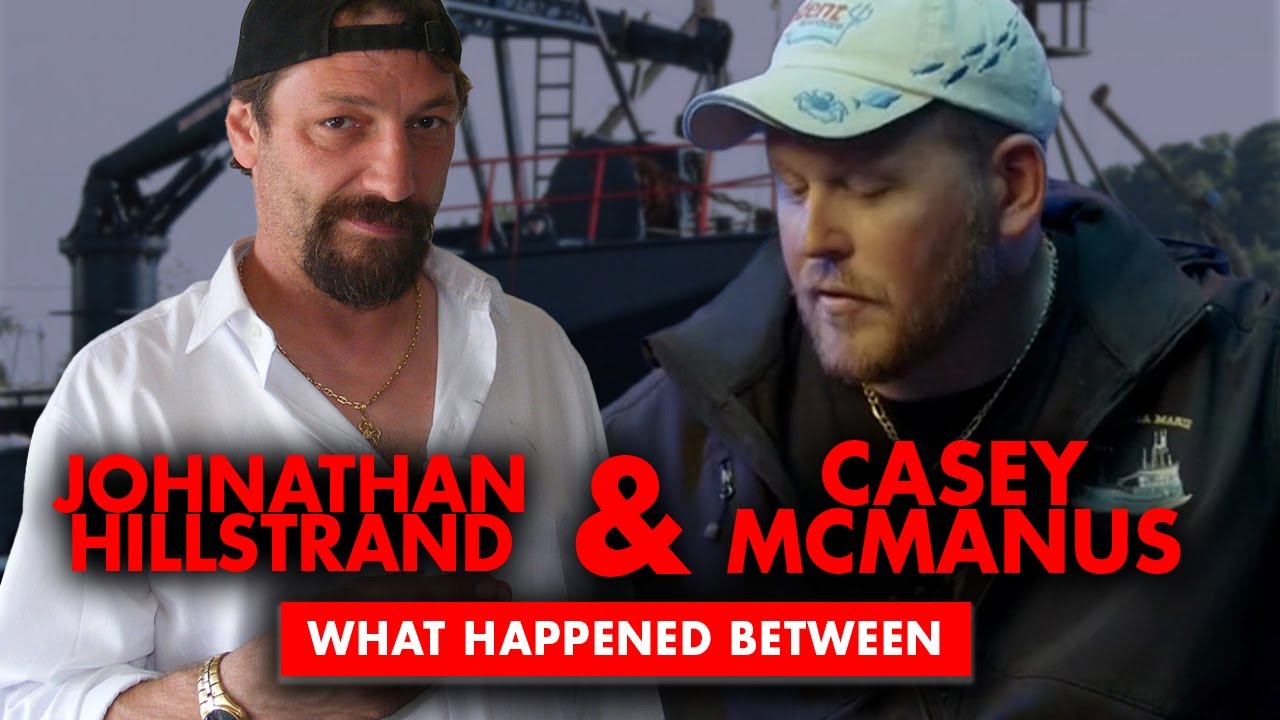
Deadliest Catch: Jonathan Hillstrand and Casey McManus — Brotherhood, Controversy, and Survival in the Bering Sea
Fearless captains Jonathan Hillstrand and Casey McManus have spent years confronting immense danger while hunting elusive Alaskan crab in the frigid waters of the Bering Sea. Like many who work in one of the world’s most dangerous professions, both men have faced controversy, rivalry, and personal trials—often amplified by the unforgiving environment and the intense spotlight of reality television.
Their unfiltered lives, both on and off their vessels, helped propel Deadliest Catch into a cultural phenomenon and turned its captains into household names.
The Birth of Deadliest Catch
In April 2005, the Discovery Channel aired the first episode of Deadliest Catch, marketed boldly as “the deadliest job on Earth.” Set in the high-stakes world of commercial crab fishing, the series exposed an occupation with a chilling history—roughly 400 fatalities per 100,000 crabbers, a number that has only declined in recent years due to improved safety practices.
Producer Thom Beers initially filmed pilot episodes to test audience interest. The response was overwhelming. Discovery quickly greenlit the show as a full series, promising viewers unprecedented access to the adrenaline-fueled lives of Alaskan crab fishermen.
Now more than 19 seasons deep, Deadliest Catch remains Discovery Channel’s most-watched reality TV series. Despite allegations over the years—claims of scripted conflicts, exaggerated accidents, or manufactured drama—the show has earned widespread respect for its authenticity. Much of its footage unfolds in real time, setting it apart from conventional reality TV. The industry has recognized this quality with numerous nominations and awards, including a Primetime Creative Arts Emmy Award for Outstanding Reality Program.
Jonathan Hillstrand: The Bering Sea’s Bad Boy
Jonathan Hillstrand is often hailed as the “bad boy” of the Bering Sea. Known for his fearlessness, he has endured 40-foot seas, rogue waves exceeding 100 feet, hurricane-force winds topping 120 knots, and massive Arctic ice packs slamming into his vessel, the FV Time Bandit.
His bravery extends beyond the wheelhouse. Jonathan has repeatedly jumped into freezing waters wearing a survival suit to rescue fellow fishermen from capsized boats, pulling them from the grip of hypothermia amid raging storms.
Born on August 5, 1962, in Homer, Alaska, Jonathan comes from a long line of fishermen. His father, John Hillstrand, taught Jonathan and his brothers the ways of the Bering Sea from an early age. By seven, they were already fishing. After high school, Jonathan committed fully to commercial fishing, also working salmon seasons in Alaska and lobster fishing along the New England coast for nearly eight years.
Jonathan and his brother Andy served as co-captains aboard the Time Bandit, alternating command depending on the season—Jonathan during red king crab, Andy during opilio. His intense leadership style became legendary. He once admitted to keeping an AK-47 and zip ties aboard to maintain order with difficult crew members until reaching port—a story that cemented his larger-than-life reputation.
Off the water, Jonathan was equally infamous. He was the life of the party, once instigating a frosting-covered food fight in an Alaskan hotel restaurant—much to the shock of police and security guards who expected a brawl instead.
Legal Trouble and Retirement—Then Return
Not all moments were lighthearted. In 2013, Jonathan and the owners of the Time Bandit faced a lawsuit filed by former deckhand David Zielinski. The case stemmed from a dangerous incident in which a firework, launched at Jonathan’s instruction, exploded prematurely in the deckhand’s hand, causing severe injuries. After a lengthy trial, the court ruled that the Hillstrand brothers were partially liable, awarding compensation while also acknowledging the deckhand’s shared responsibility.
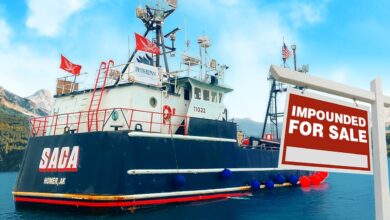
In 2018, Jonathan briefly retired following major engine failures on the Time Bandit. Maintenance costs forced the brothers to list the vessel for sale, marking the first time in nearly 40 years it missed a crabbing season. However, his retirement was short-lived. Jonathan returned for Seasons 17 through 19 after realizing his unused crab quota would be forfeited—and with encouragement from Captain Sig Hansen.
Today, Jonathan Hillstrand remains a defining presence on Deadliest Catch, admired for his grit, humor, and unbreakable connection to the sea.
Casey McManus: Engineer Turned Captain
Casey McManus joined Deadliest Catch in 2014 as engineer and co-captain aboard the legendary FV Cornelia Marie, a vessel made famous by the late Phil Harris. Casey was brought in at the urging of Phil’s son, Josh Harris, who felt unprepared to captain the boat alone.
Born January 27, 1983, in Washington State, Casey comes from a multi-generational fishing family. He began learning the trade at age five, mastered gillnetting early, and was commercially fishing by 14. He later attended Everett Community College, studying fire science, and the University of Washington.
Before joining the show, Casey served in the fire departments of Lynnwood and Lake Stevens and worked for Trident Seafoods for 17 years, eventually becoming chief engineer. In 2013, he signed a contract with Discovery Channel and soon purchased a minority share of the Cornelia Marie. Like the Hillstrands, Casey captained during king crab season, while Josh Harris ran opilio season.
Alliances, Rivalries, and the Russian Dragger Incident
In the unpredictable Bering Sea, alliances can mean survival. During the 2021–2022 seasons, the Time Bandit and Cornelia Marie formed a partnership as Alaska shut down the red king crab fishery due to dangerously low crab populations.
With limited options, the crews pursued golden king crab—an even more dangerous species living in deeper waters. Jonathan and Casey worked together to retrieve heavy crab pots under extreme conditions, relying on experience and creative problem-solving to succeed.
One of the most dramatic moments involved a standoff with Russian draggers attempting to fish nearby waters. When threatened over the radio, Jonathan refused to back down. Working with Casey, they devised a strategic maneuver, positioning their vessels to block the draggers’ access without confrontation. The plan worked, and both crews returned with full tanks—while protecting the sustainability of American crab fisheries.
Tensions and Fan Speculation
Despite their alliance, fans noticed moments of tension. Viewers accused Casey and Josh of withholding valuable fishing locations from Jonathan, sparking heated debates online. Some suspected these conflicts were exaggerated or staged for drama, highlighting the blurred line between reality and entertainment.
The Josh Harris Scandal and Casey’s Exit
Discovery Channel reportedly had long-term plans for Casey and Josh—until a shocking scandal derailed everything. Josh Harris was abruptly fired after allegations surfaced that he had sexually abused a minor, including the rape of a four-year-old girl. Discovery removed him from all official platforms.
Although Casey had no involvement in the crimes, he was also removed from the show. Fans speculated that Discovery wanted to sever all ties connected to Josh, and Casey’s storyline had been too closely intertwined with his.
Casey later hinted on social media that his crabbing career had ended. His LinkedIn profile confirmed he captained the Cornelia Marie only until January 2023, signaling the end of his Discovery Channel contract.
Life After Deadliest Catch
In a later update, Casey revealed he had moved on to a new chapter, accepting a full-time role as Vice President of Operations at Paradigm Marine and Technical Services Pvt. Ltd.
Legacy in the World’s Deadliest Profession
Jonathan Hillstrand and Casey McManus represent two paths through America’s deadliest profession—one forged through decades of chaos, bravado, and survival, the other through technical mastery, leadership, and reinvention.
Together, their stories reflect what Deadliest Catch has always been about: not just crab, quotas, or television ratings—but human endurance at the edge of the world.