How much do the captains on ‘Deadliest Catch’ make? Details
How much do the captains on 'Deadliest Catch' make? Details

The Allure and Danger of the Bering Sea: Behind the Scenes of Deadliest Catch
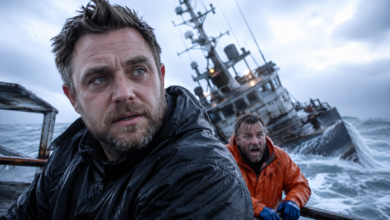
The allure of the Bering Sea lies not only in its vast, wild waters but also in the extraordinary potential for financial gain. This powerful combination draws brave captains and their crews into one of the world’s most dangerous professions—crab fishing—vividly portrayed in Discovery Channel’s long-running reality series Deadliest Catch.
Since its debut in 2005, Deadliest Catch has offered viewers an unfiltered glimpse into the perilous lives of Alaskan king crab and snow crab fishermen. These crews confront more than just freezing temperatures and towering waves—they face fierce competition, unpredictable machinery failures, and life-threatening accidents. The job demands physical endurance, mental toughness, and razor-sharp decision-making skills, particularly from the captains who must manage both the safety of their crew and the success of each expedition.
Unlike most professions, crab fishermen do not earn a fixed hourly wage or salary. Instead, their income depends entirely on the size and success of their catch. The greater the haul, the larger the payout, with everyone onboard receiving a share of the profits.


Captain Kenny Ripka, one of the show’s featured fishermen, has spoken openly about his earnings. In some seasons, Ripka reported taking home between $150,000 and $170,000 personally. For others, the earnings can be even more substantial. Captain Jake Anderson, now commanding the Titan Explorer, revealed in a 2018 interview with Fox that he grossed $2.5 million in just 11 days—an astonishing figure that underscores the lucrative possibilities in commercial fishing for the most successful captains.
Another well-known captain, Sig Hansen, has reportedly amassed a net worth of around $4 million. These impressive sums are drawn not only from the value of the crab harvests but also from their appearances on the television show itself. Captains and crew members are said to earn tens of thousands of dollars per episode, adding a significant source of income on top of their fishing profits.
However, these rewards come with enormous risk. The Bering Sea is unforgiving, and the dangers of crab fishing are real and frequent. Over the years, countless injuries and fatalities have occurred—realities that Deadliest Catch does not shy away from portraying. The dramatic moments captured on screen serve as stark reminders that the high earnings in this industry are, in part, a form of compensation for the life-threatening challenges that these fishermen face every time they head out to sea.
In the end, the world of Deadliest Catch is a high-stakes blend of adrenaline, danger, and the promise of a big payday—where only the toughest survive, and the boldest can strike it rich.