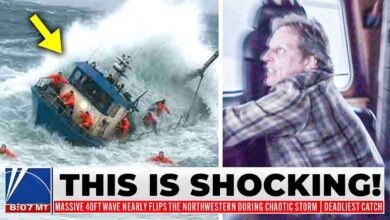
Reasons Why Deadliest Catch Is Fake
Reasons Why Deadliest Catch Is Fake
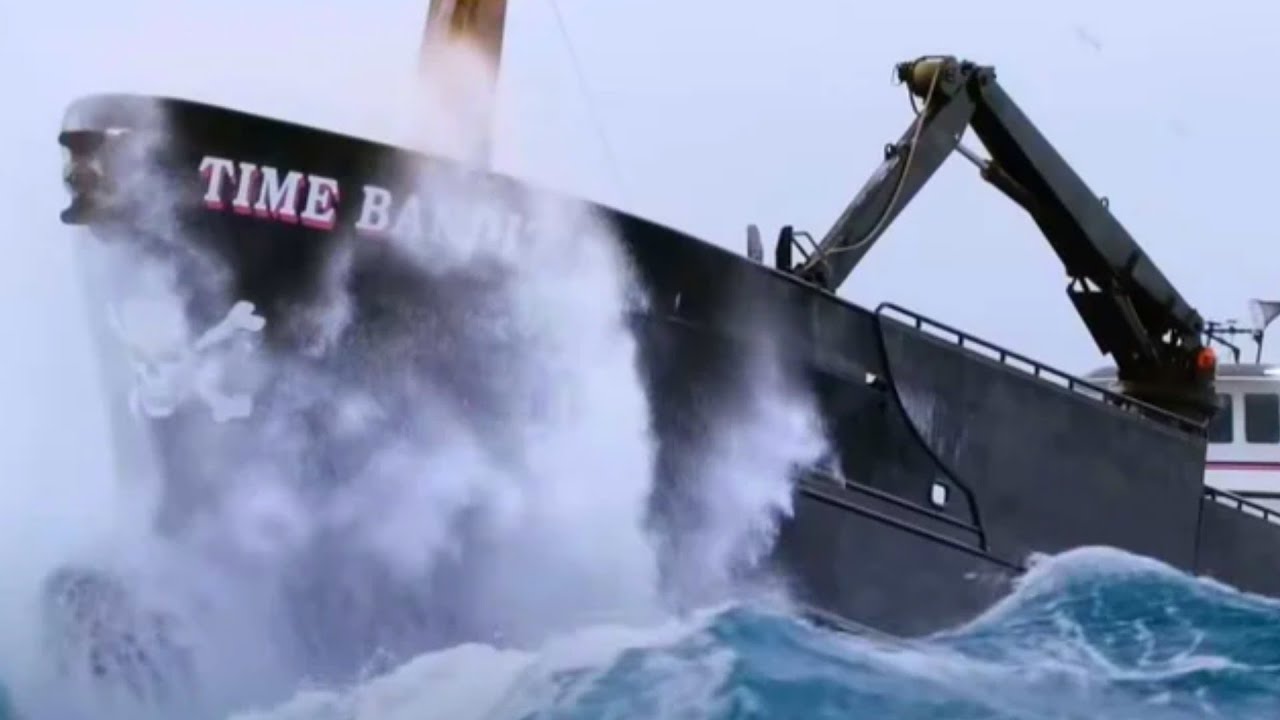
Deadliest Catch: How Real Is Reality TV on the Bering Sea?
Since its debut, Deadliest Catch has captivated audiences with its gripping portrayal of life and death on the Bering Sea. It promises an unfiltered look into one of the world’s most dangerous jobs—Alaskan crab fishing. But over the years, a steady stream of behind-the-scenes revelations has raised an important question: how real is reality TV when it’s caught in a storm of editing, reshoots, and ratings pressure?
TV Magic in the Middle of a Storm
One of the first major cracks in the show’s “pure documentary” image appeared in the Season 4 premiere. The Wizard was shown battling monster waves and a catastrophic leak, seemingly moments away from sinking. However, viewers were misled. The giant waves? Filmed a month after the actual leak. Discovery Channel’s then-president, John Ford, admitted that scenes were reordered to create dramatic continuity.
“The thing we didn’t have on camera was the actual wave that struck the Wizard,” he explained. “We did that for the story continuity.” In other words, the peril was real—but not exactly how or when it was shown.

This practice of “pickup shots”—footage filmed later to patch or enhance a narrative—is common in unscripted TV. Discovery has defended their use, saying that nothing is made up, only “cleaned up.” Still, for viewers hoping to see events exactly as they unfold, it’s a reminder that even reality TV needs a little post-production polish.
Captains Accused of Performing for the Cameras
In 2022, The Seattle Times interviewed Captain Jack Bunnell, who alleged that some Deadliest Catch captains were intentionally creating drama. He singled out Jake Anderson, claiming Anderson steered his boat into large waves to create more visually intense scenes—and even compromised safety by pushing the crew too hard.
“You’ve got to make it exciting somehow. Hauling pots 24 hours a day is boring,” Bunnell said.
Anderson denied the accusations, but they highlight a larger issue: Is the desire for good TV endangering real lives? Considering that Alaskan crab fishing already ranks among the deadliest professions, even small exaggerations could have dire consequences.
The Sound of Danger—Even When It’s Not Real
If you’ve ever watched Deadliest Catch with the volume off, you’ll notice how much the atmosphere relies on sound. But much of it isn’t real. Editors admitted in 2020 that extreme cold often wrecks microphones, forcing them to use pre-recorded sound effects—from creaking metal to crashing waves.
“A lot of the [recorded] sound is unusable,” editor Joe Mikan said. “So we build the sound from our effects library to recreate the experience as authentically as possible.”
It’s not faking—it’s enhancement. But again, it challenges the notion of raw, unfiltered realism.
Scripted Reality? Behind the Camera with the Captains
Over the years, several captains and crew members have hinted that Deadliest Catch isn’t as unscripted as it seems.
Former cast member Elliott Neese, who left the show in 2015, referred to “TV captains” being used for the sake of appearances, saying, “Reality TV isn’t real. It’s entertainment, that’s it.” In one interview, he even implied that Jake Anderson was shown captaining the Saga on-screen while the real captain stayed behind the scenes.
Captain Linda Greenlaw, who also appeared on the show, told Spectrum News in 2023 that Deadliest Catch was “more scripted” than her previous show, Swords: Life on the Line.
Even longtime mainstay Sig Hansen admitted that the show heavily favors dramatic weather. “You’ll see a lot more of the foul weather as opposed to the calm days. I suppose that’s what sells,” he told The Fishing Website.
Safety, Lawsuits, and Lost Footage
The show’s darker side isn’t just in the icy waters. Over the years, several captains have been fined or sanctioned for fishing violations—like harvesting undersized crab or using illegal gear. In some cases, lawsuits followed.
One of the most serious involved Time Bandit deckhand David Zielinski, who won a $1.35 million lawsuit after a firework exploded in his hand. The show allegedly filmed the incident, but that footage was never aired. A massive safety violation, it raised questions about what footage is withheld—and why.
Climate Change: The Unspoken Reality
While Deadliest Catch has focused on personal drama and harsh seas, it long ignored one of the biggest threats to crab fishing: climate change. Captain Keith Colburn has spoken out about it publicly, warning of increasing storm frequency due to warming waters. Yet the show only began addressing the issue in 2017.
“It’s a big risk for us to discuss climate change,” executive producer R. Decker Watson Jr. told the Associated Press, “because so many people can think it’s a political issue, when really it isn’t.”
By the time the show brought it up, scientific research had already confirmed that king crabs were migrating to colder waters, changing the entire fishing map.
The Business of Danger
There’s also a financial motivation to play along. Smaller boats, with lower quotas and higher risks, could theoretically sell their catch rights to larger, safer vessels. But, as The Seattle Times reported, many crews choose to fish anyway—likely because appearing on Deadliest Catch is more profitable than staying off-camera.
Yet the dangers are real. The risk of injury or death never disappears. And when the lines between drama and documentary blur, it’s worth asking: At what cost comes the entertainment?
A Real Job in a Not-So-Real Package
Deadliest Catch may capture the adrenaline, danger, and grit of crab fishing, but it’s also a product of television. Editing, reshoots, scripted beats, and even recreated weather scenes all contribute to a story that’s built for maximum tension.
But make no mistake—while reality TV may bend the truth, the lives at stake are very real. And even when the cameras stop rolling, the legacy of these crews—and the dangers they face—continue just beyond the edge of our screens.